
CONCERNED ABOUT SLEEP APNEA?
Now, you can have a sleep test in your own home

professional affiliations
We are in partnership with Sleep Specialists in Queensland and NSW in providing services to patients with sleep apnea. Our comprehensive patient services include home sleep studies, referrals to sleep physicians, and CPAP therapy management.

home sleep study clinics
Ipswich | Brisbane | Logan
Nexus Healthcare Sleep Services
This service is Mobile — we can attach the sleep testing device in your home or in our clinic. To book an appointment, please follow this process.
1. Visit your usual General Practitioner and discuss your situation.
2. You or your doctor will need to download and print out this referral form.
3. The referral form needs to be filled out completely and you need to meet the screening requirements to be eligible for a Medicare-supported home sleep study.
4. Ask the doctor to fax the referral form to 07 3381-9025.
5. Wait for our sleep technician to contact you for an appointment.
Capalaba | Cleveland | Redland Bay
Capalaba Medical Centre
sleep study information
WHAT IS SLEEP APNEA TESTING?
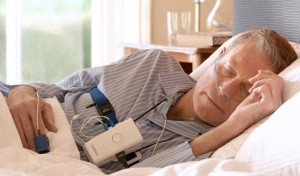
Sleep breathing disorders can have serious consequences if left untreated. That’s why we’re dedicated to helping people who have sleep apnea. The first step is to test you for the condition. This is an overnight test called polysomnography, a simple and painless way to find out if you have sleep apnea.
You will need to visit your General Practitioner to get a referral. We will then arrange a sleep test that you can do in the comfort of your own bed. On the evening of your appointment, we will set you up for the test. This will involve attaching equipment to your chest and electrodes to certain parts of your body. This will record the following when you sleep: your airflow, breathing patterns, snoring, the oxygen level in your blood, your brain waves, heart rate, eye and leg movements, and your body position. All these can effectively diagnose if you have a sleep disorder.
We will send your test results back to your GP who will discuss your treatment options with you and help you find the best solution for your sleep apnea.
What does a Home Sleep Study Record?
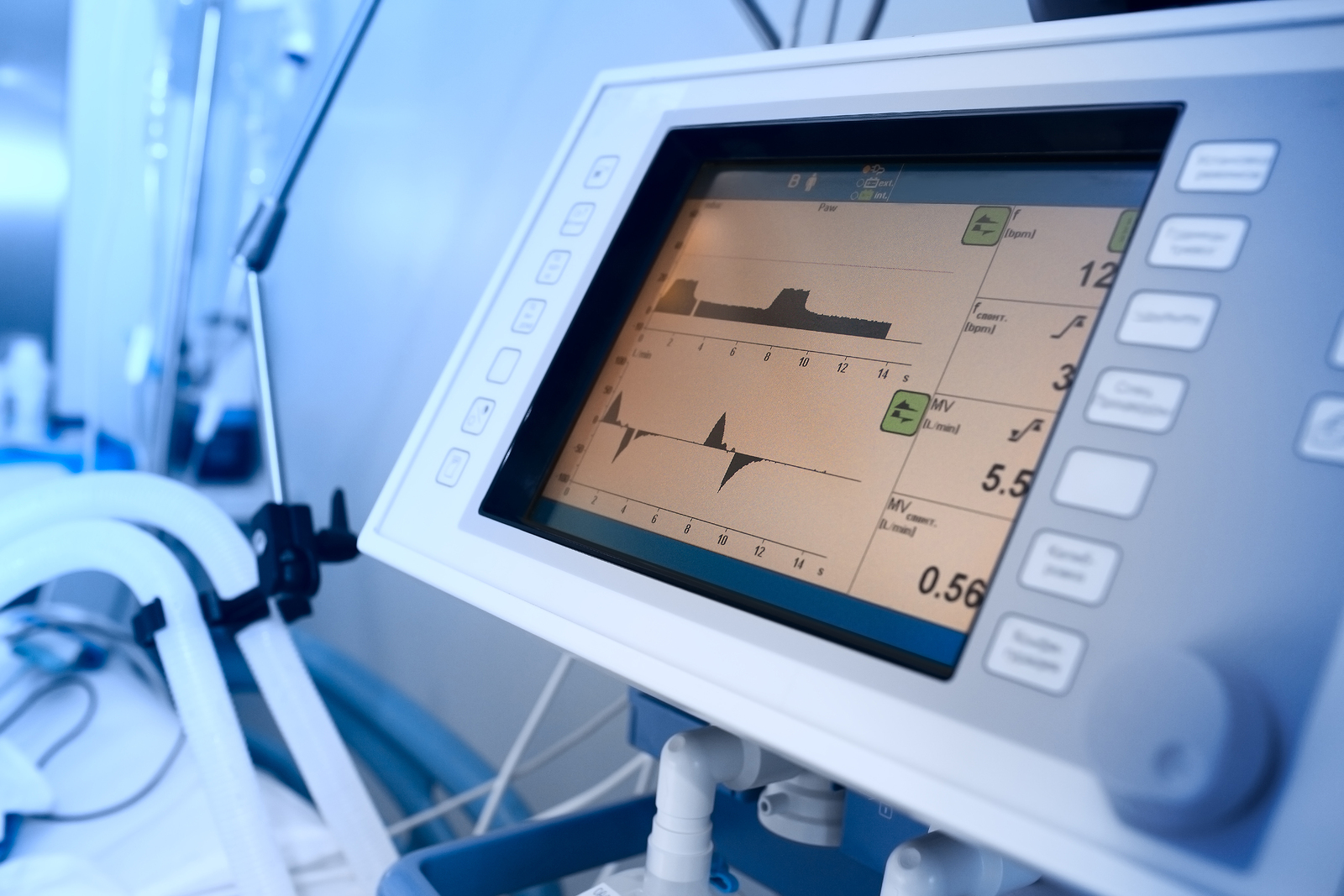
The test that records your sleep data is called polysomnography. It will record a wide array of body functions: heart rate and rhythm, breathing, snoring, airflow …
The Home Sleep Study Process
If you think suspect you might have Obstructive Sleep Apnea and that you need a home sleep study, here are the steps to follow.
How Much Does A Home Sleep Study Cost?
With our bulk-billed home sleep study services, we offer an innovative solution that combines convenience, comfort, and affordability. You will need to meet certain criteria to be eligible.
Polysomnography Equipment
For our Brisbane home sleep study appointments, we use two types of equipment: the Embletta MPR and the Alice PDX. Both are devices for portable diagnosis of sleep breathing disorders.
Why Have a Sleep Study for Sleep Apnea
If you think that you may have sleep apnea, then it’s important to get tested. Here are some reasons why having this simple procedure can save your life.
Brisbane Home Sleep Study
If you’re in Brisbane and hesitate about having a sleep apnea test in a hospital, consider having a Brisbane home sleep study in the comfort of your own bed.